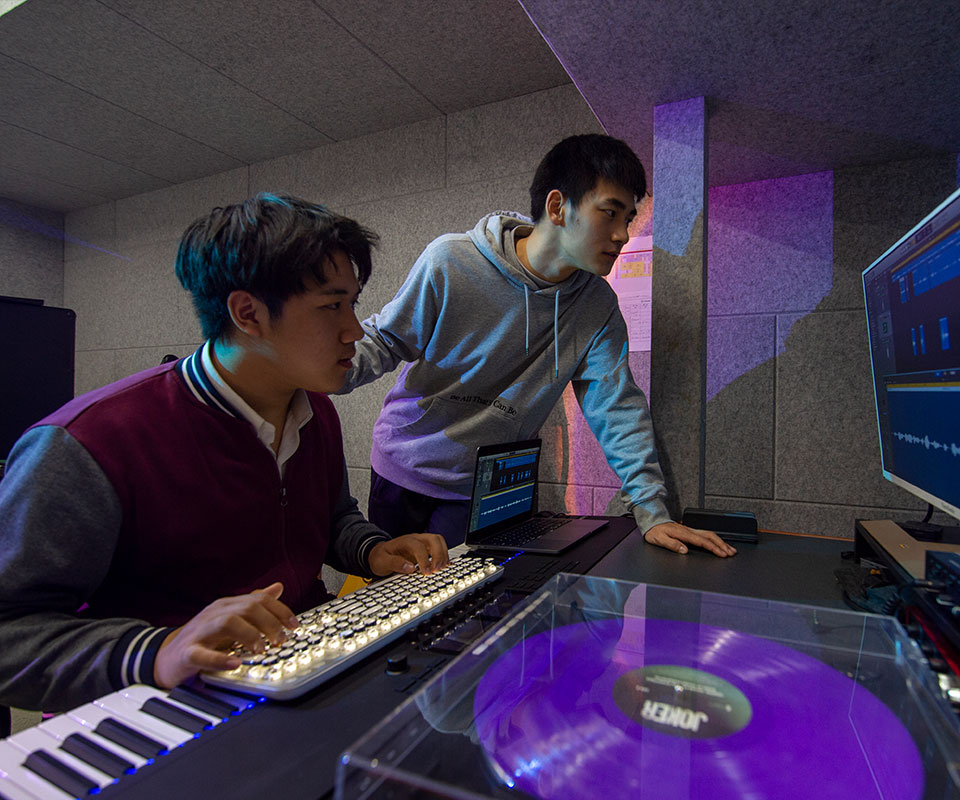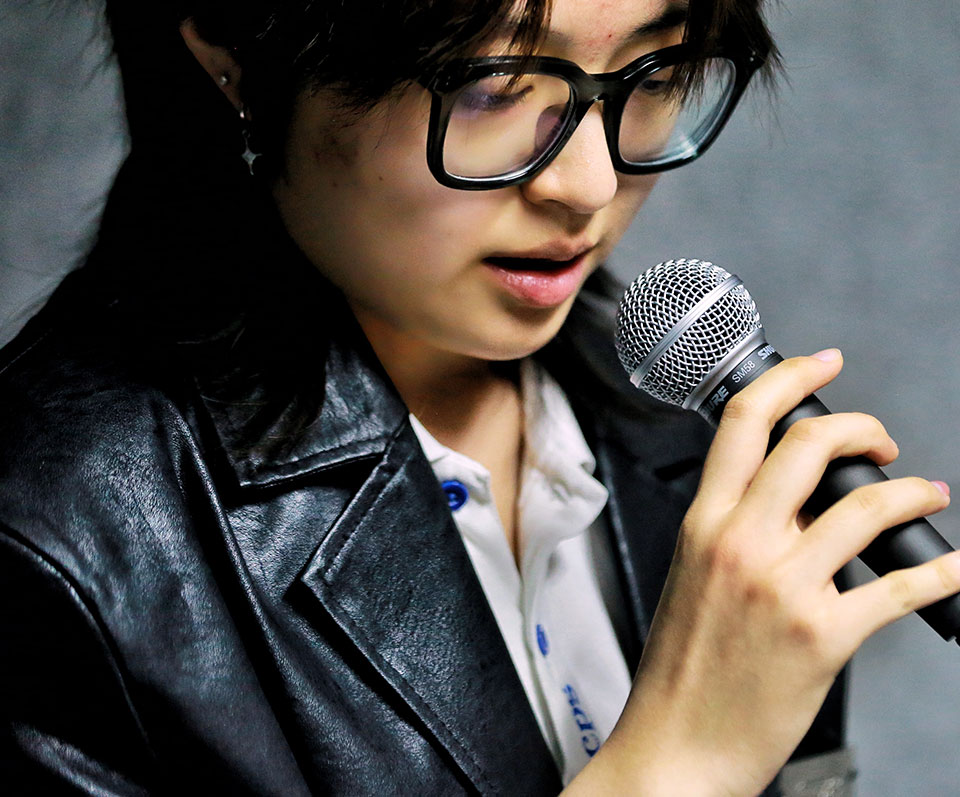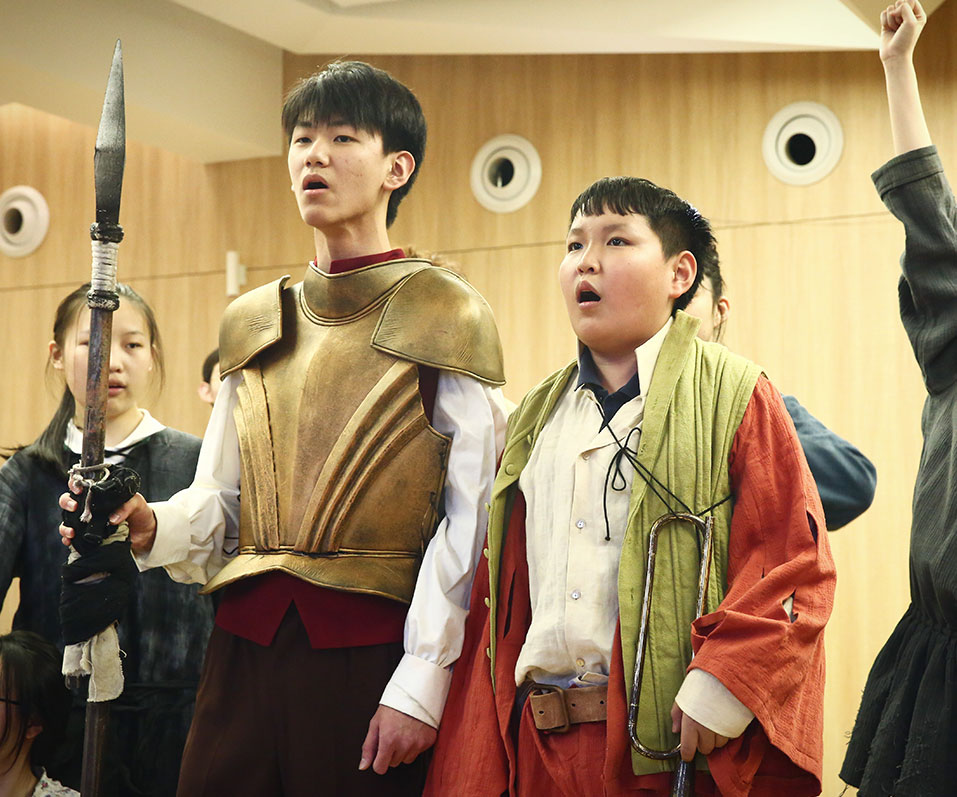
Major Programs

  • Musical theater
  • popular singing
  • instrumental performance
  • jazz
  • electronic music production
  • film scoring
  • songwriting
and more.

Curriculum Basis

While contemporary music encompasses diverse styles, its compositional logic, theoretical framework, and performance techniques all derive from classical music. Therefore, the curriculum for the contemporary track is not taught in isolation but is built on a solid foundation of classical music theory. Students are encouraged to explore diversified training within their chosen contemporary disciplines, while systematic instruction in classical theory helps them understand the underlying principles of jazz harmony innovations, electronic music sound design, and the melodic development of popular songs.

Curriculum Structure

Specialized Core Courses: Primary major lessons, band ensemble, jazz piano minor, contemporary music theory, music arrangement and production, Berklee sight-singing, ear training and music theory, jazz improvisation accompaniment, acting/dialogue classes, and repertoire dance. Note: All skill training and theoretical instruction in these courses are grounded in the rigorous framework of classical music. For example, the harmonic logic in contemporary arrangement is derived from core principles of classical harmony, and solfeggio and ear training adhere to classical standards for pitch accuracy and rhythmic stability. Music General Courses: solfeggio and ear training, music theory, harmony, Western music history and appreciation, choir, conducting, and movement/dance. Note: Courses such as music theory, harmony, and Western music history are taught primarily from a classical music perspective, forming the foundation for understanding the evolution of contemporary music styles.

Curriculum Structure

Specialized Core Courses: Primary major lessons, band ensemble, jazz piano minor, contemporary music theory, music arrangement and production, Berklee sight-singing, ear training and music theory, jazz improvisation accompaniment, acting/dialogue classes, and repertoire dance. Note: All skill training and theoretical instruction in these courses are grounded in the rigorous framework of classical music. For example, the harmonic logic in contemporary arrangement is derived from core principles of classical harmony, and solfeggio and ear training adhere to classical standards for pitch accuracy and rhythmic stability. Music General Courses: solfeggio and ear training, music theory, harmony, Western music history and appreciation, choir, conducting, and movement/dance. Note: Courses such as music theory, harmony, and Western music history are taught primarily from a classical music perspective, forming the foundation for understanding the evolution of contemporary music styles.
BEAM , LET THE MUSIC BEGIN!
BEAM, Let the music begin!